Nov 14, 2025
Document AI: The Next Evolution of Intelligent Document ProcessingPersona
Industry
Use cases
Purchase Order
[ Purchase Order ]

Use LlamaParse to turn messy POs into verified, structured fields your systems can trust.
The USP

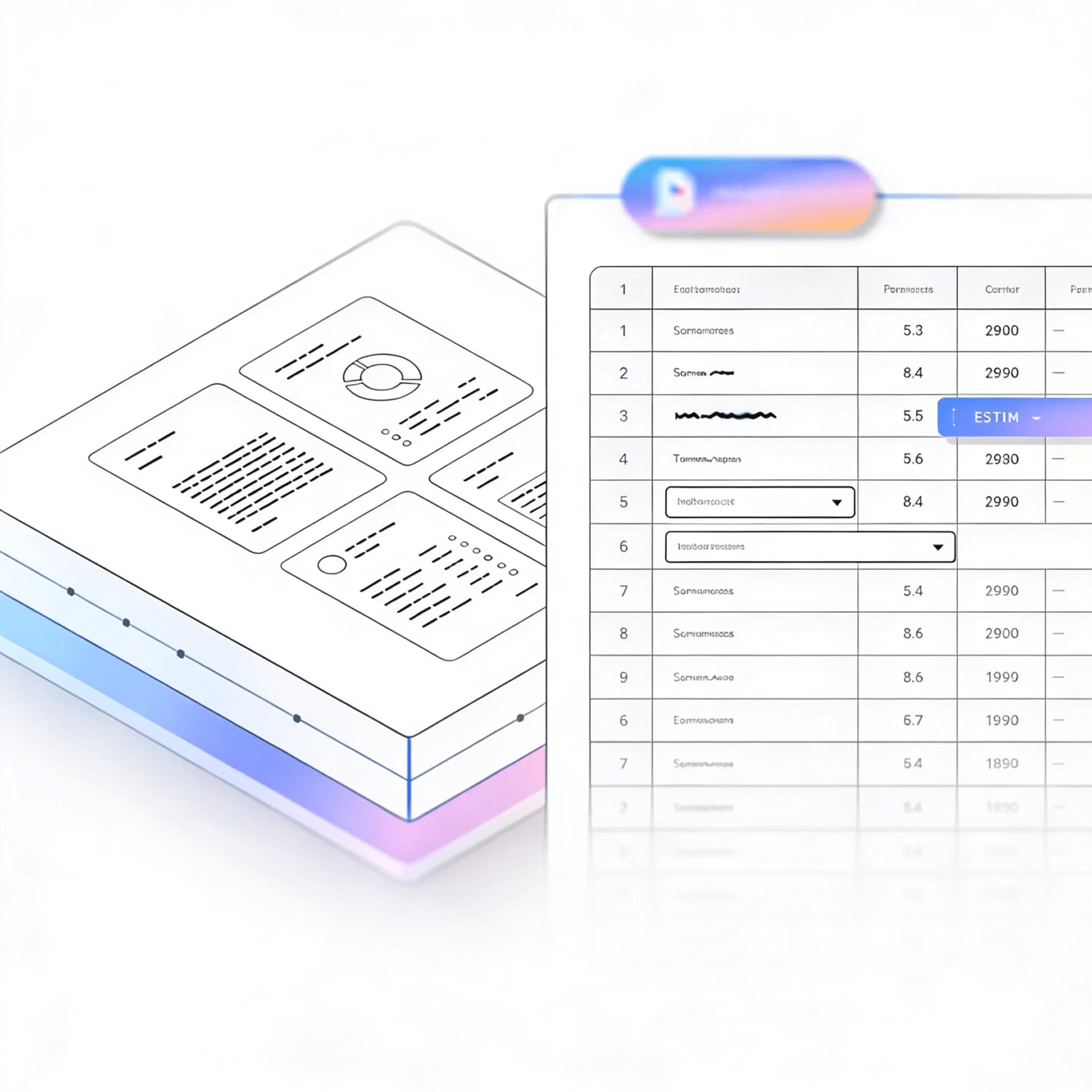
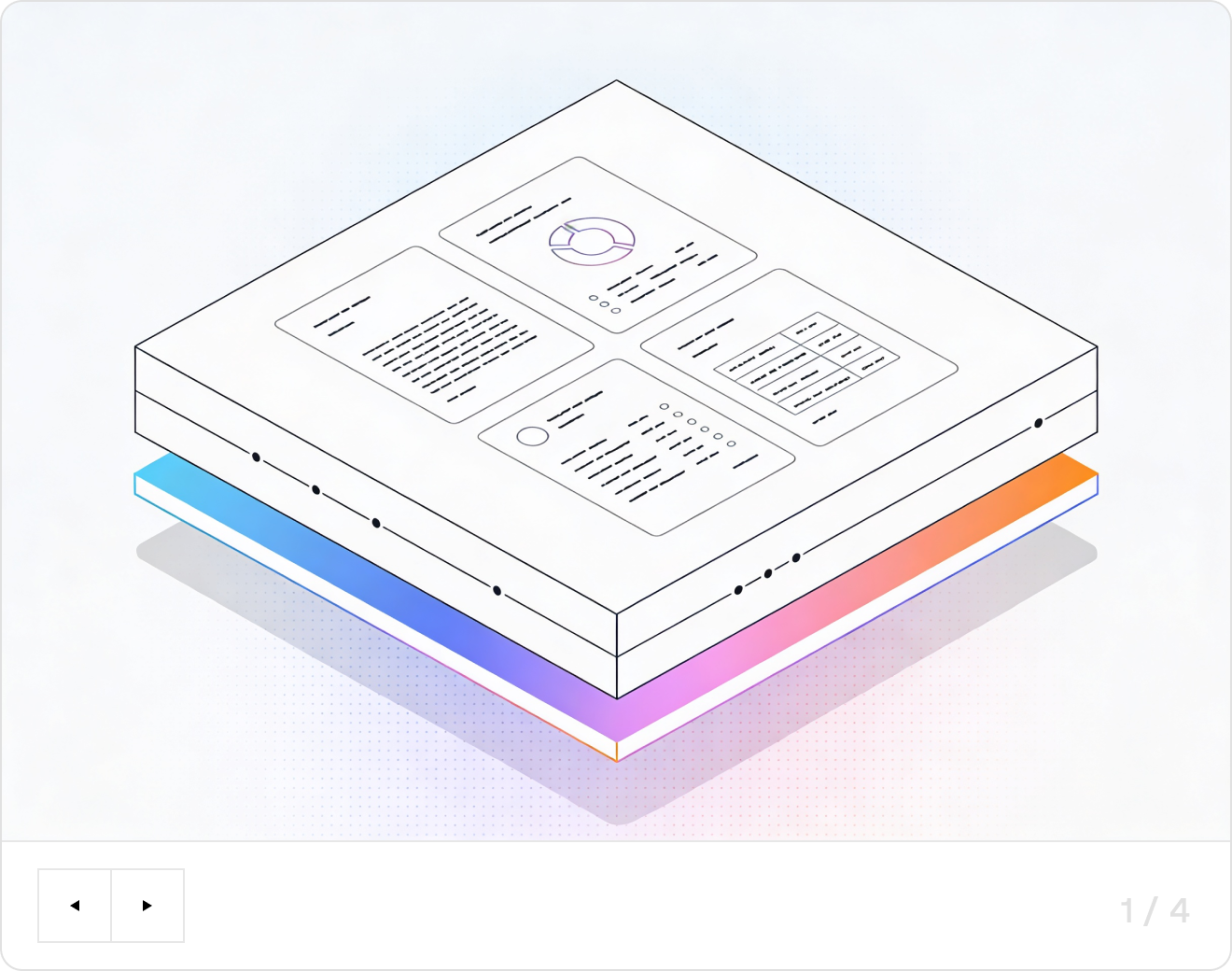
LlamaParse turns messy purchase orders into clean, consistent JSON your systems can trust, even when layouts change or scans are low-quality. Agentic document parsing reads tables, line items, and totals with validation loops and confidence metadata, so you ship faster with fewer exceptions.
Built for Complexity

Manufacturing & Industrial Supply Chains
Use LlamaParse in LlamaCloud to turn messy, multi-page POs (with item tables, ship-to blocks, and line-level notes) into clean JSON your ERP can ingest without hand-keying. Layout-aware table extraction preserves SKU, quantity, unit price, and delivery dates even when suppliers change templates, cutting short-pays and late shipments caused by bad data.

Construction & Commercial Contractors
Automatically parse POs and change-order attachments into structured fields for job costing, commitment tracking, and invoice matching, even when documents include scanned signatures and multi-column tables. Natural-language parsing instructions let your team standardize outputs by project and vendor so PMs stop chasing missing cost codes and mismatched line items.

Retail & Ecommerce Operations
Ingest vendor POs at scale and extract line items, pack sizes, freight terms, and requested ship dates into your OMS/WMS to prevent receiving surprises and stockouts. Tier-based agentic processing routes simple POs cheaply while upgrading only the complex pages, keeping per-document costs predictable during seasonal spikes.

B2B SaaS Startups Building AP Automation
Ship purchase order OCR features fast by using LlamaParse as the ingestion layer for PO-to-invoice matching, approvals, and audit-ready trails with citations and confidence scores. Auto-correction loops reduce exception queues on noisy scans, so a small team can support more customers without building brittle post-processing code.
The Engine Room
Feature 01
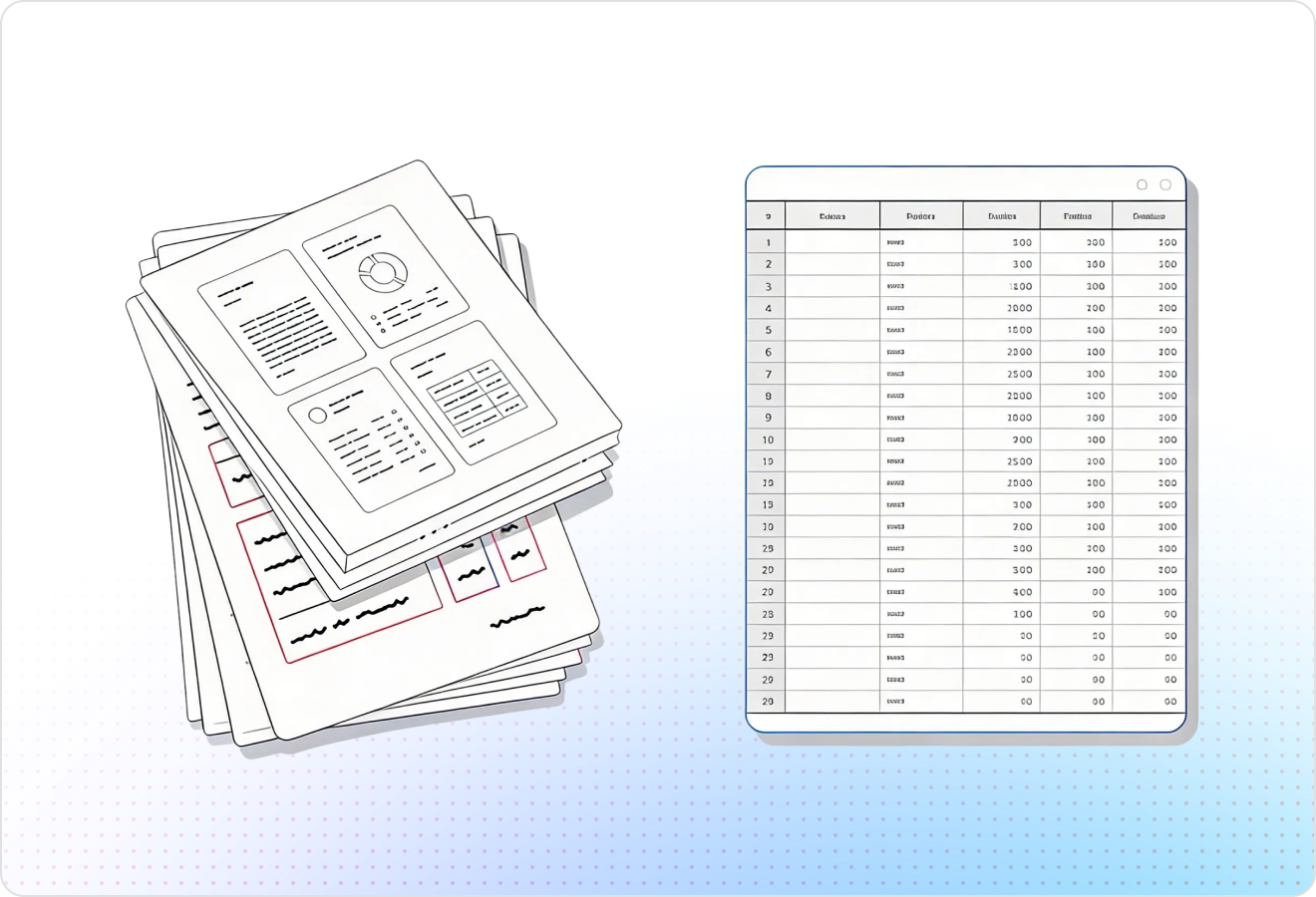
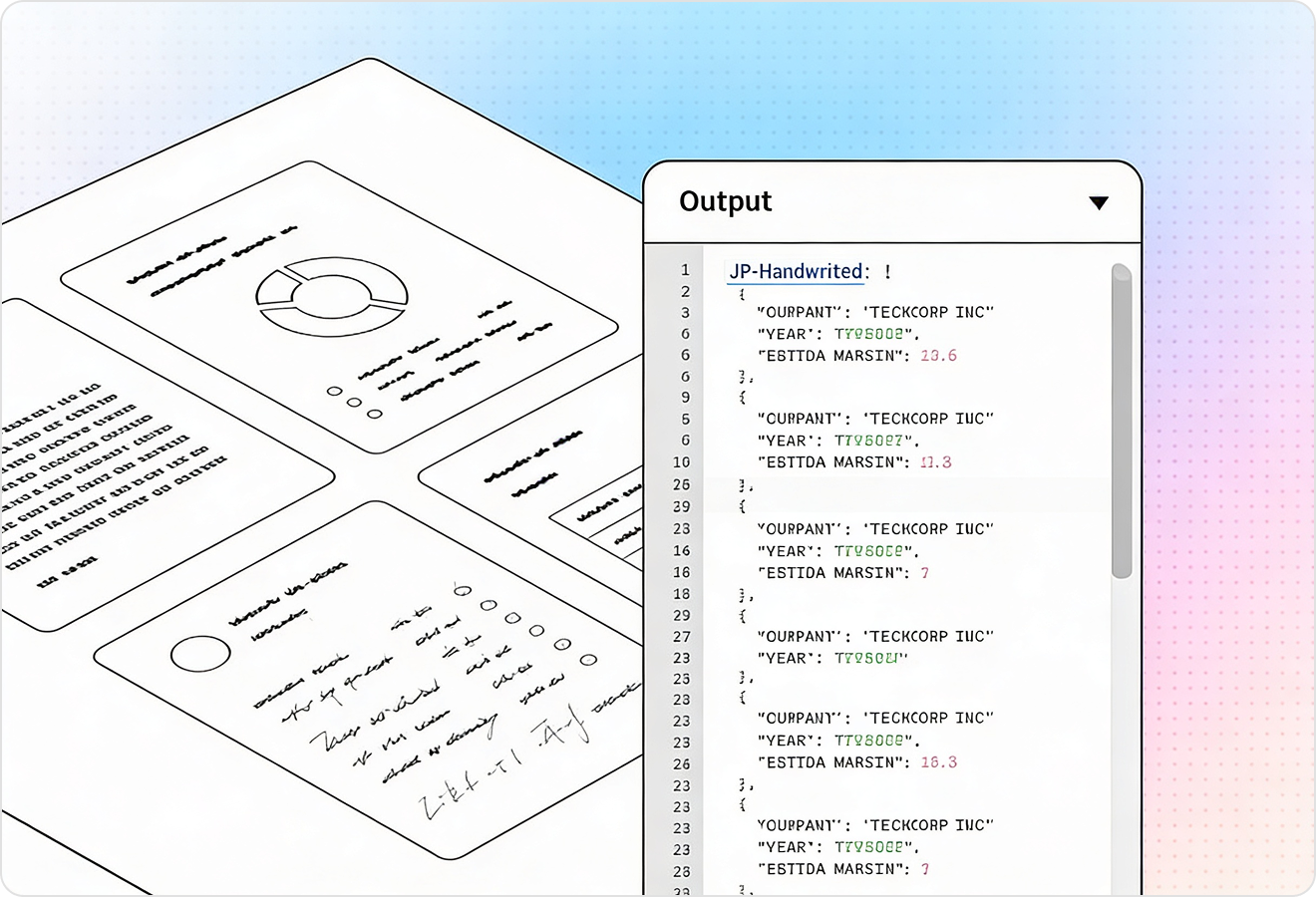
LlamaParse understands purchase order layouts—headers, ship-to/bill-to blocks, totals, and multi-column sections—so text doesn’t get scrambled when templates change. That means you can reliably capture vendor, PO number, dates, and terms without building brittle, vendor-specific rules.
Feature 02
It accurately extracts line-item tables, preserving rows, columns, and reading order across split pages and messy scans. This makes it straightforward to turn items, quantities, unit prices, and SKU codes into clean, reconciliable data for AP and procurement systems.
Feature 03
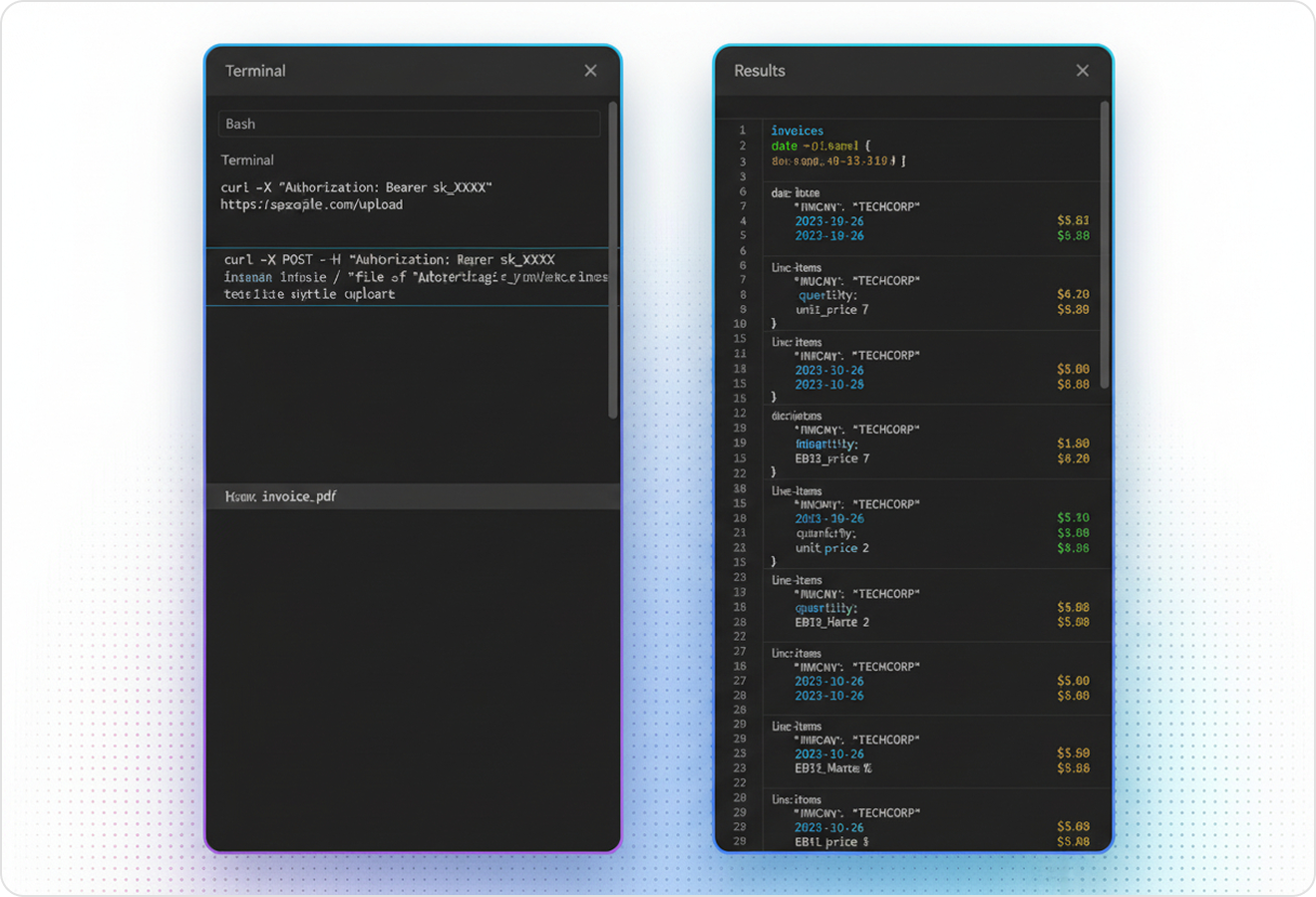
LlamaParse can return AI-ready JSON that maps key PO fields into a consistent schema your workflows can depend on. You can push the output directly into ERP/AP integrations with far less post-processing and fewer downstream parsing bugs.
Feature 04
Each extracted value can include traceable metadata like page references and spatial coordinates for auditability and exception handling. For purchase order processing, this lets reviewers quickly verify disputed fields (like totals or delivery dates) and reduces time spent hunting through PDFs.
Technical OCR documentation
Explore our developer guides to easily connect your document pipelines to LlamaParse.

Our AI catches the typos that tired eyes miss.

Export to Excel, JSON, XML, or directly via API.

SOC2 Type II compliant with end-to-end encryption.

Train the tool on your specific forms in minutes, not days.

Average processing time of <3 seconds per page.
LlamaParse’s support of a wide variety of filetypes and its accuracy of parsing made it the best tool we tested in our evaluations. The LlamaIndex team was very responsive and we were off to the races within a day.
Common FAQs
01
Will it still work if vendors change their PO templates or formatting?
Yes. Layout-aware parsing identifies headers, ship-to/bill-to blocks, totals, and multi-column sections so the text doesn’t get scrambled when layouts shift. You can capture key fields like vendor, PO number, dates, and terms without maintaining brittle, vendor-specific rules.
02
How accurate is line-item table extraction, especially on multi-page or scanned POs?
It extracts line-item tables while preserving rows, columns, and reading order—even across split pages and messy scans. That means items, quantities, unit prices, and SKUs come through as clean, reconcilable data for AP and procurement workflows.
03
What format do we get back—can we use the output directly in our systems?
You receive structured JSON mapped to a consistent schema, so your workflow doesn’t have to guess where each field belongs. This makes it easy to push PO data into ERP/AP integrations with minimal post-processing and fewer downstream parsing issues.
04
Can we verify where each extracted value came from for audits and exception handling?
Yes. Each field can include metadata like the page reference and spatial coordinates, so reviewers can quickly confirm disputed values such as totals or delivery dates. This speeds up exception handling and improves auditability without manual searching through PDFs.
05
How does it handle common PO edge cases like multi-column sections, totals blocks, or inconsistent labeling?
The parser is layout-aware, so it can distinguish sections like totals, terms, and address blocks even when labels vary or columns shift. You get more reliable field capture across vendors, reducing rework and manual corrections.
06
How quickly can we go from PDFs to usable PO data without a long setup?
Because the extraction is layout-aware and outputs consistent JSON, you can start processing POs without building and maintaining template rules for each vendor. Most teams can connect the output to their downstream workflows quickly and scale coverage as new vendors appear.