Nov 14, 2025
Document AI: The Next Evolution of Intelligent Document ProcessingPersona
Industry
Use cases
Electronic Health Record
[ Electronic Health Record ]

Use LlamaParse to turn messy clinical documents into structured fields your EHR can trust.
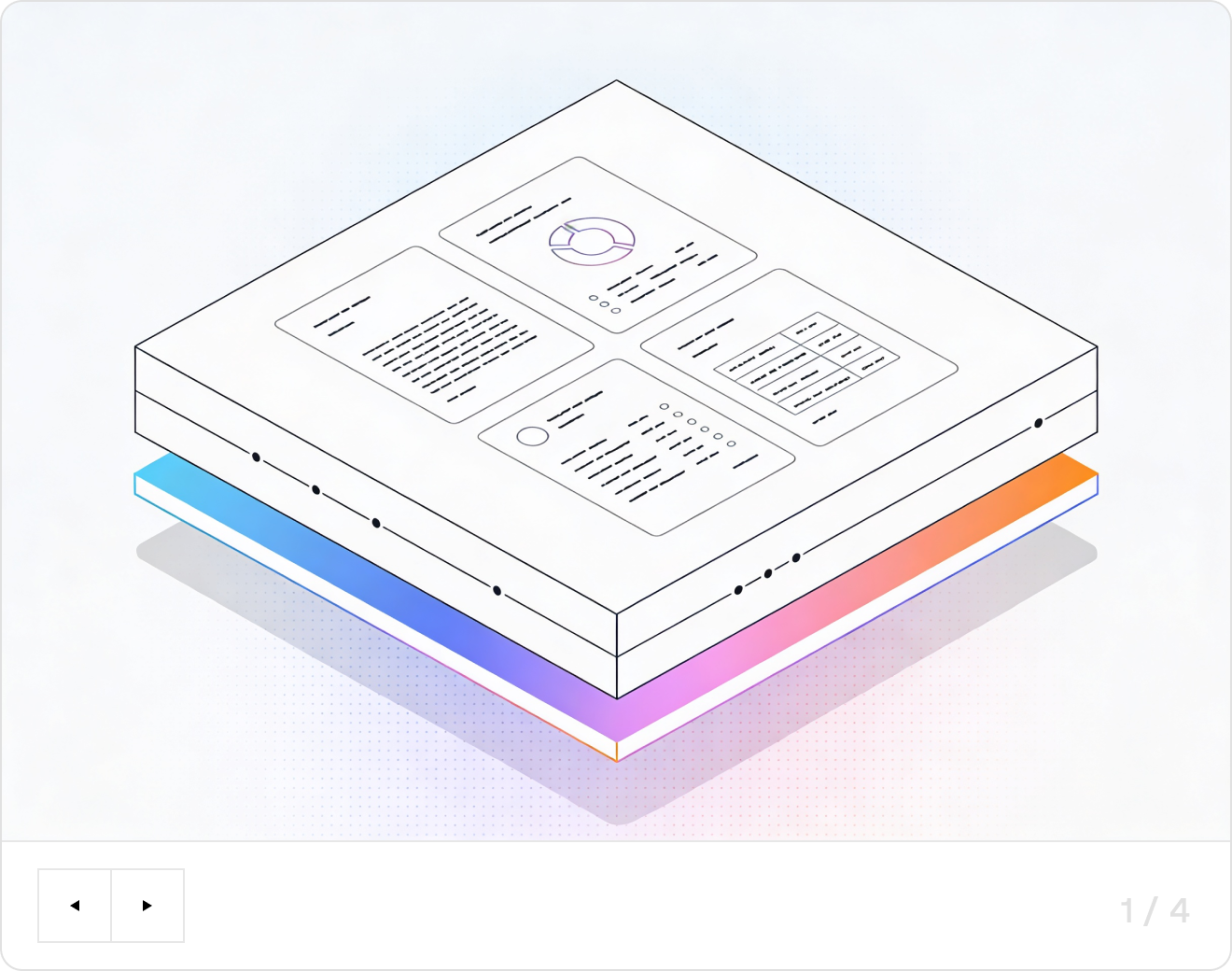
The USP
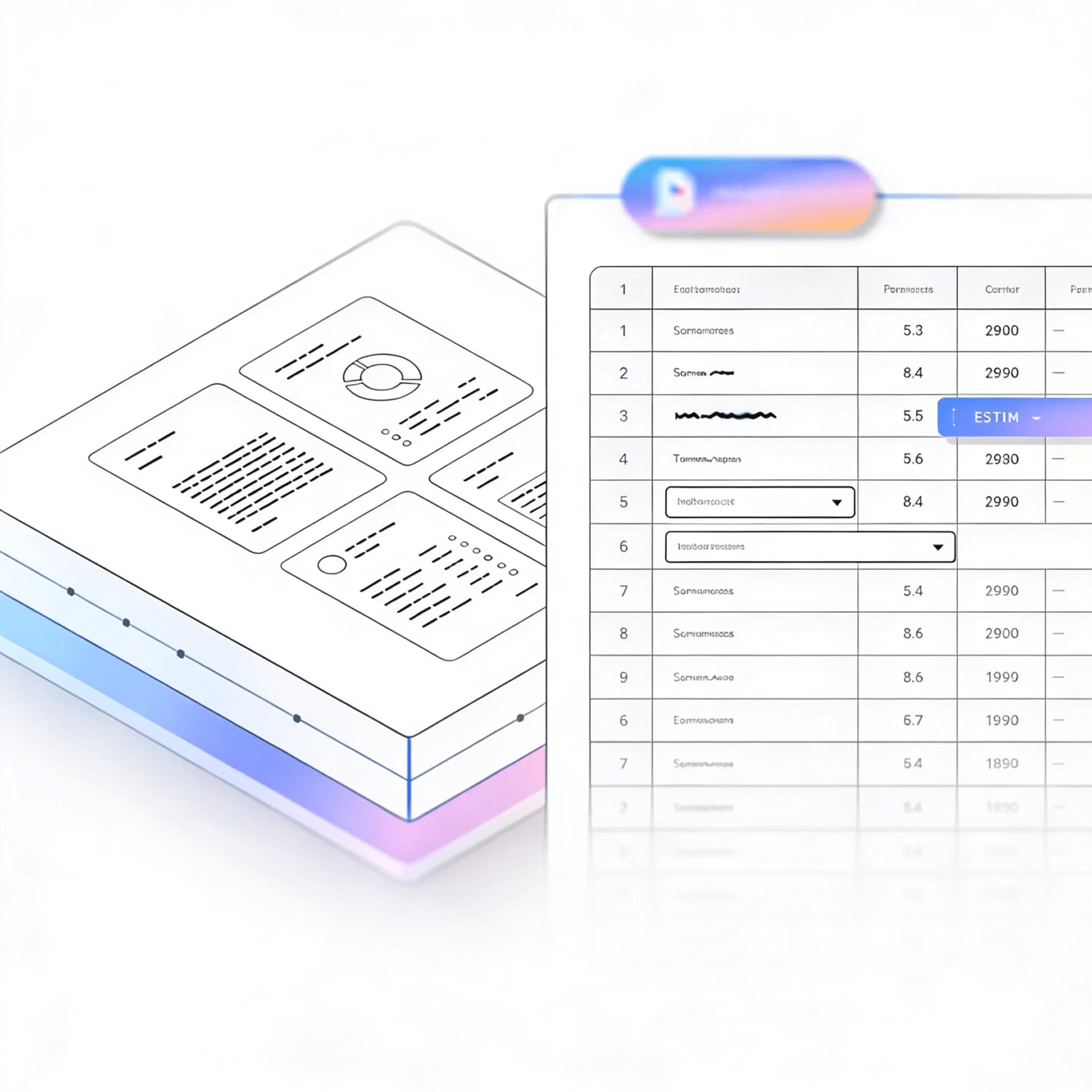
LlamaParse turns messy PDFs, scans, and faxes into clean, structured EHR-ready data so your app can ingest charts, tables, and forms reliably. Agentic document parsing understands layout, validates extractions with confidence metadata and citations, and cuts manual charting time while improving downstream data quality.
Built for Complexity

Healthcare & Medical Services
Use LlamaParse to ingest faxed referrals, scanned labs, and discharge summaries into your electronic health record software without the usual table-scrambling and missing fields that slow down intake. Layout-aware extraction and JSON mode turn inconsistent clinical documents into structured, auditable data your team can reconcile quickly with page-level traceability.

Health Insurance Claims Operations
Parse EHR exports, itemized bills, and supporting clinical notes into consistent claim-ready data so adjudication rules can run on clean inputs instead of manual re-keying. Tier-based agentic processing routes only the messy pages to higher-accuracy parsing, reducing denials caused by misread codes and keeping per-claim processing costs predictable.

Clinical Research & Life Sciences
Convert protocols, informed consent forms, and site PDFs into structured Markdown/JSON so data teams can reliably pull endpoints, inclusion criteria, and visit schedules without brittle regex pipelines. Multimodal parsing captures tables, charts, and equations accurately, reducing extraction errors that lead to costly rework and monitoring findings.

Digital Health Startups
Ship EHR-adjacent workflows faster by using LlamaParse as your ingestion layer for patient-uploaded PDFs, device reports, and provider notes, even when formats change across clinics. Natural-language parsing instructions let you define the exact schema your product needs in plain English, so you can iterate your data model without rewriting document preprocessing code.
The Engine Room
Feature 01
LlamaParse understands page structure in real-world medical documents—multi-column notes, headers/footers, and sectioned reports—so extracted text keeps the correct reading order. For EHR software, this preserves clinical context (e.g., HPI vs. Assessment/Plan) and reduces downstream cleanup that causes charting errors.
Feature 02
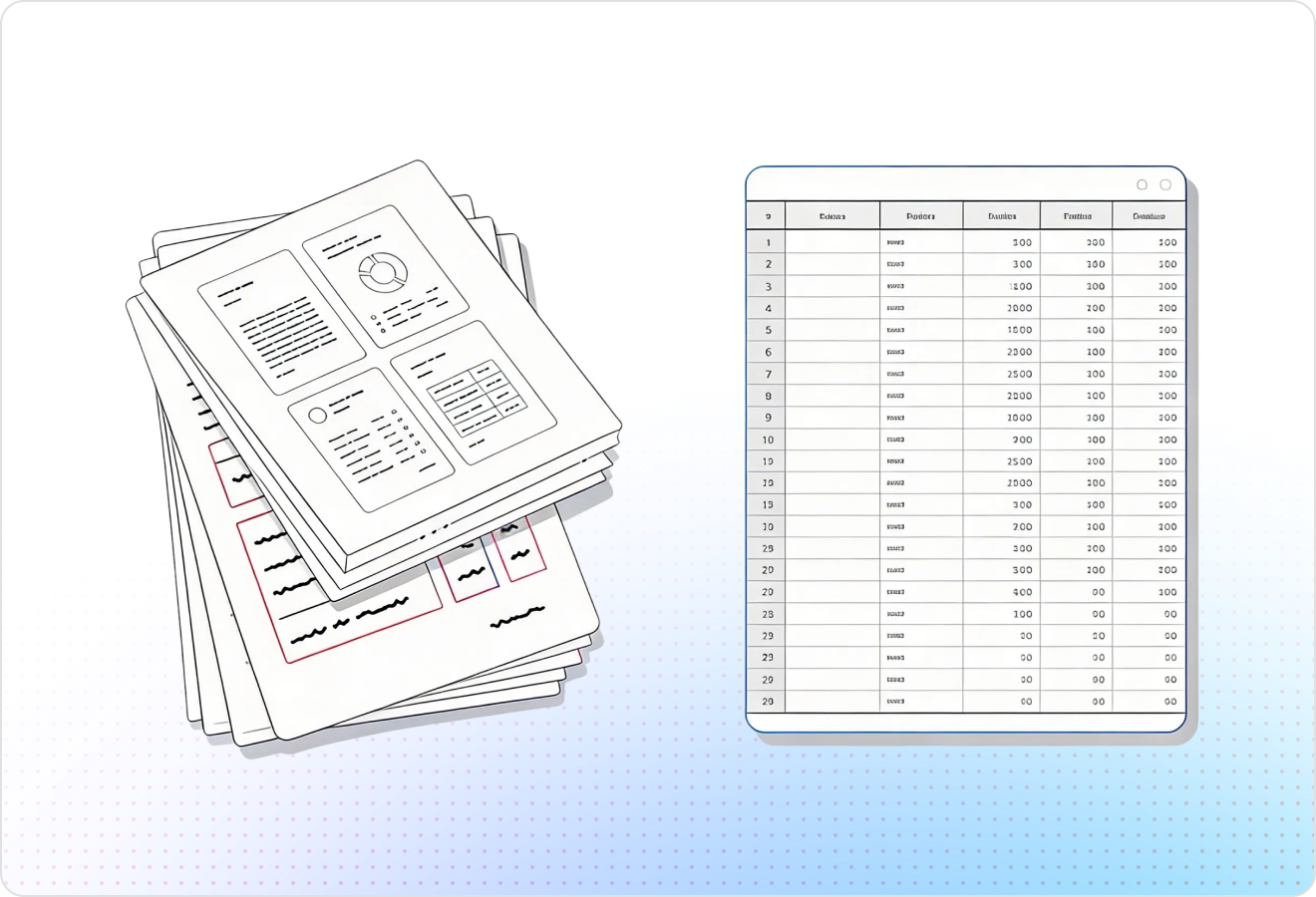
LlamaParse reliably pulls tables and nested grids into clean, AI-ready formats instead of flattening or scrambling rows and columns. This is critical for EHR ingestion of labs, vitals flowsheets, medication lists, and problem lists where column alignment changes clinical meaning.
Feature 03
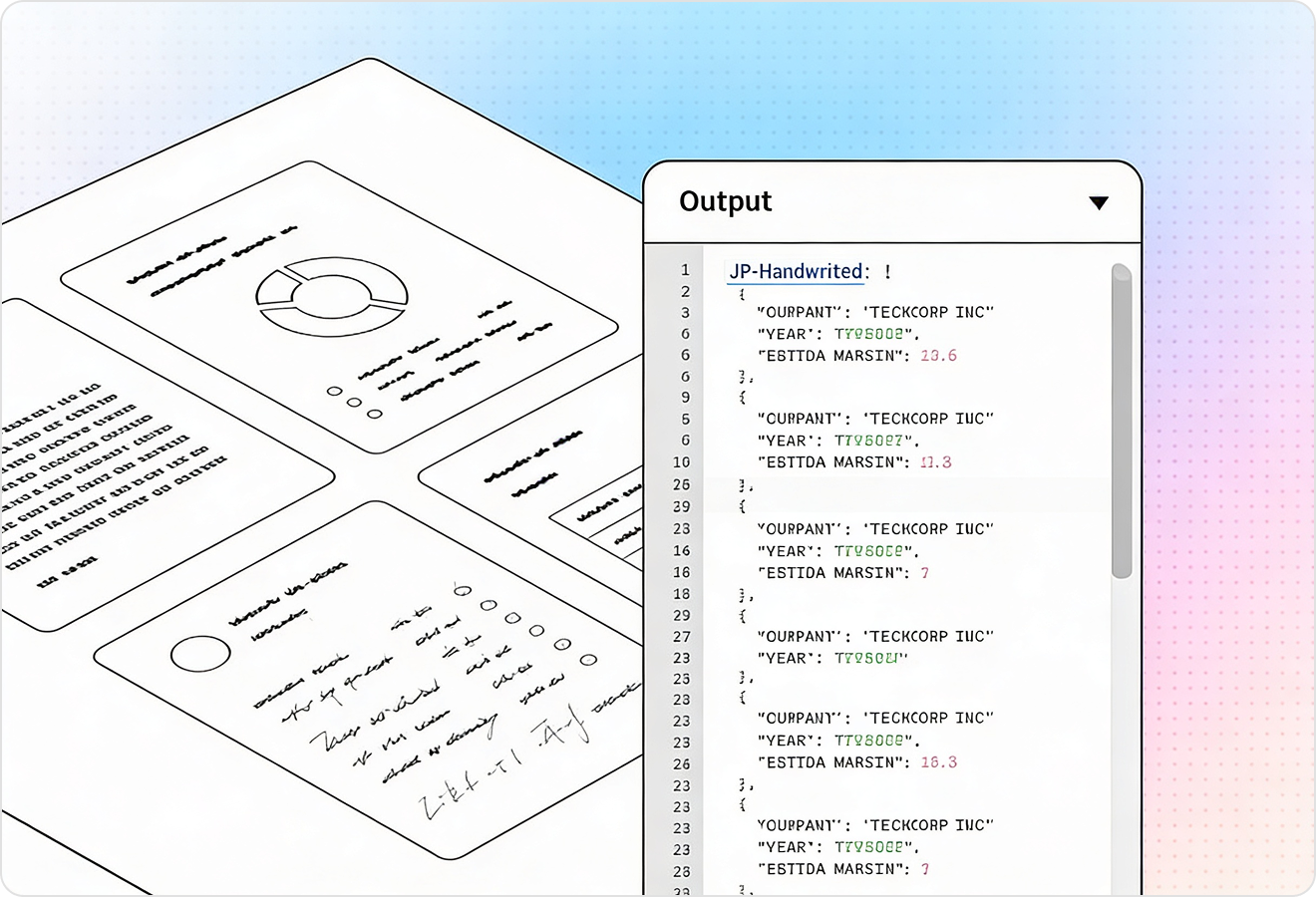
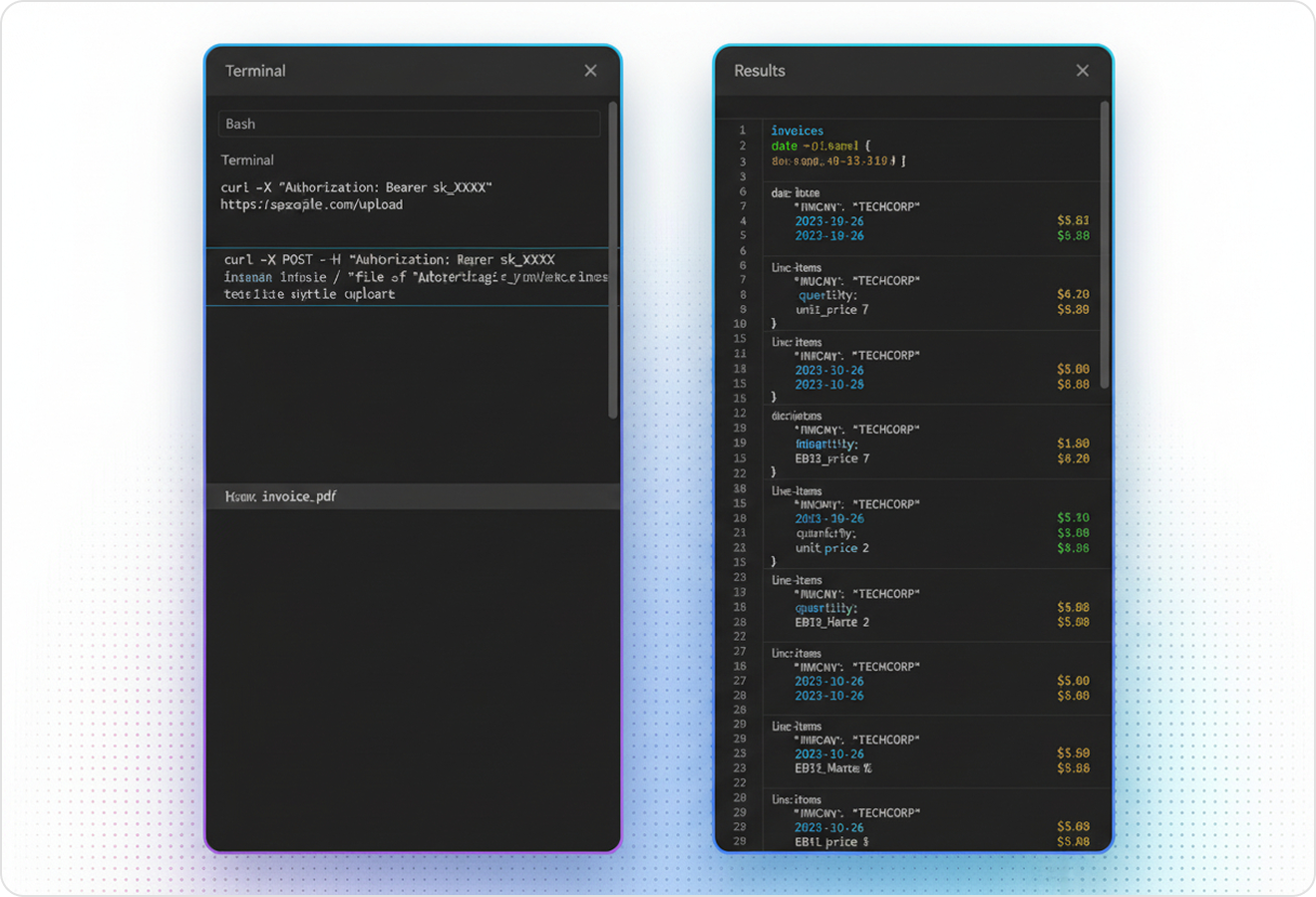
LlamaParse can output structured JSON enriched with granular metadata like page numbers, bounding boxes, and element types for traceability. In an EHR workflow, that lets you attach each extracted value back to its source location for review, audit trails, and safer human-in-the-loop validation.
Feature 04
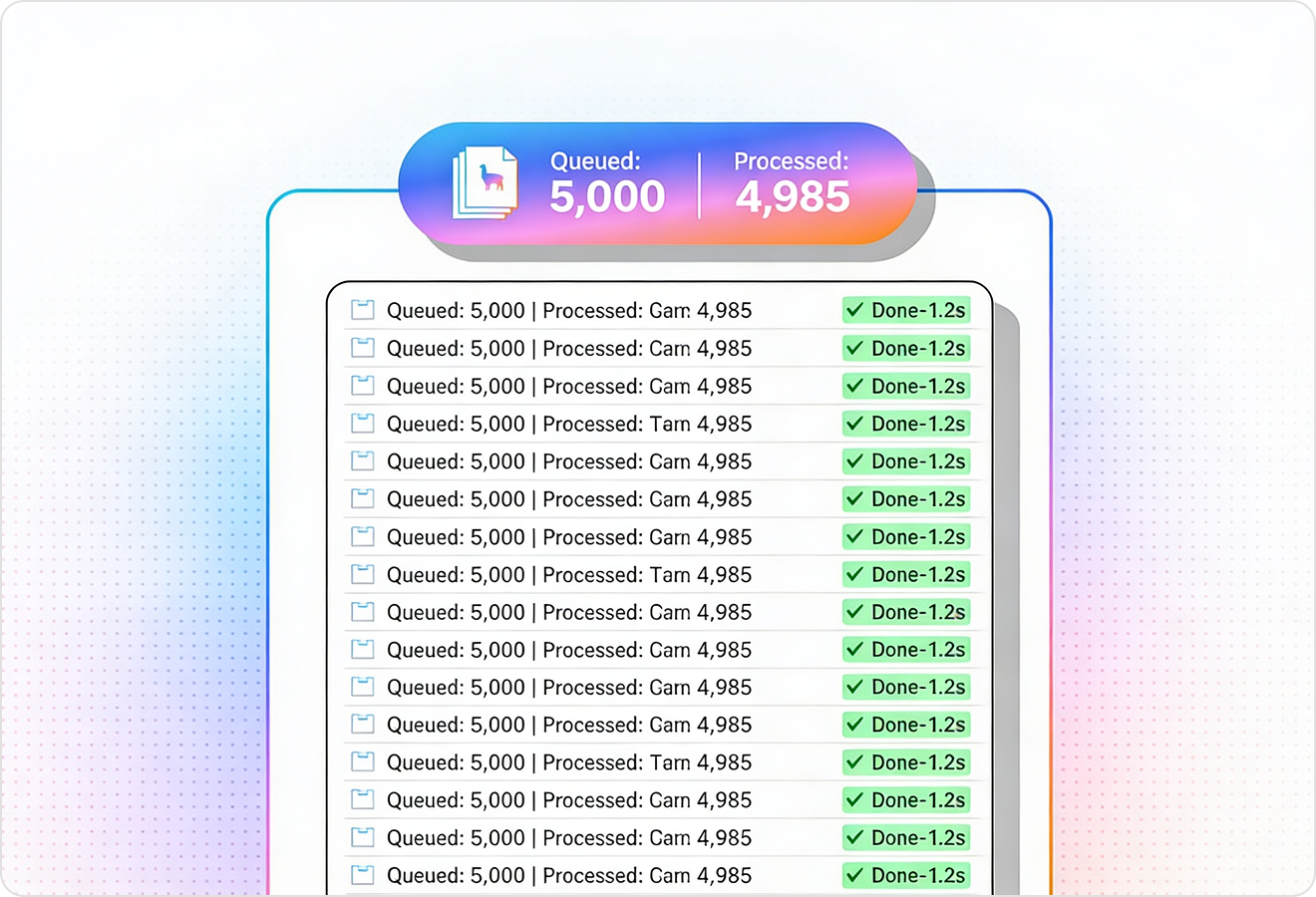
LlamaParse uses agentic validation steps to catch and correct common extraction failures on messy scans and inconsistent templates before returning results. For EHR software, that improves straight-through processing on referrals, discharge summaries, and scanned PDFs while reducing manual chart prep and exception handling.
Technical OCR documentation
Explore our developer guides to easily connect your document pipelines to LlamaParse.

Our AI catches the typos that tired eyes miss.

Export to Excel, JSON, XML, or directly via API.

SOC2 Type II compliant with end-to-end encryption.

Train the tool on your specific forms in minutes, not days.

Average processing time of <3 seconds per page.
LlamaParse’s support of a wide variety of filetypes and its accuracy of parsing made it the best tool we tested in our evaluations. The LlamaIndex team was very responsive and we were off to the races within a day.
Common FAQs
01
Will it preserve the correct reading order in multi-column clinical notes and sectioned reports?
Yes—our layout-aware clinical parsing understands real-world page structure (multi-column text, headers/footers, and section breaks) so content stays in the right sequence. That helps maintain clinical context like HPI vs. Assessment/Plan and reduces cleanup that can lead to charting mistakes.
02
How accurately does it extract tables like labs, vitals flowsheets, medication lists, and problem lists?
It pulls tables and nested grids into clean, AI-ready formats without scrambling rows or columns. This preserves column alignment where a single shift can change clinical meaning, improving reliability for downstream ingestion into your EHR workflows.
03
Can we trace every extracted value back to the source document for review and audit trails?
Yes—outputs can include structured JSON with citations such as page numbers, bounding boxes, and element types. That makes it easy to link each field to its original location for reviewer verification, audit readiness, and safer human-in-the-loop validation.
04
How does it handle messy scans, faxes, and inconsistent templates without creating exceptions for our team?
Built-in validation and correction loops catch common extraction failures before results are returned. This improves straight-through processing for referrals, discharge summaries, and scanned PDFs while reducing manual chart prep and exception handling.
05
What does integration look like for an EHR product team—will this fit into our existing ingestion pipeline?
You receive structured JSON designed to plug into existing ETL, mapping, and review workflows, with citations to support QA and approvals. Most teams start by routing a few high-volume document types through the API, then expand coverage as confidence and automation grow.
06
How does this reduce clinical risk compared to basic OCR or generic document parsing?
Basic OCR often loses structure, which can misplace or merge clinical sections and distort tables—creating subtle but serious data quality issues. By preserving layout and adding traceable citations, you can validate critical fields quickly and confidently before writing anything into the chart.