Nov 14, 2025
Document AI: The Next Evolution of Intelligent Document ProcessingPersona
Industry
Use cases
Lending Automation
[ Lending Automation ]

Use LlamaParse to turn messy loan docs into verified, structured fields your workflows can trust.
The USP

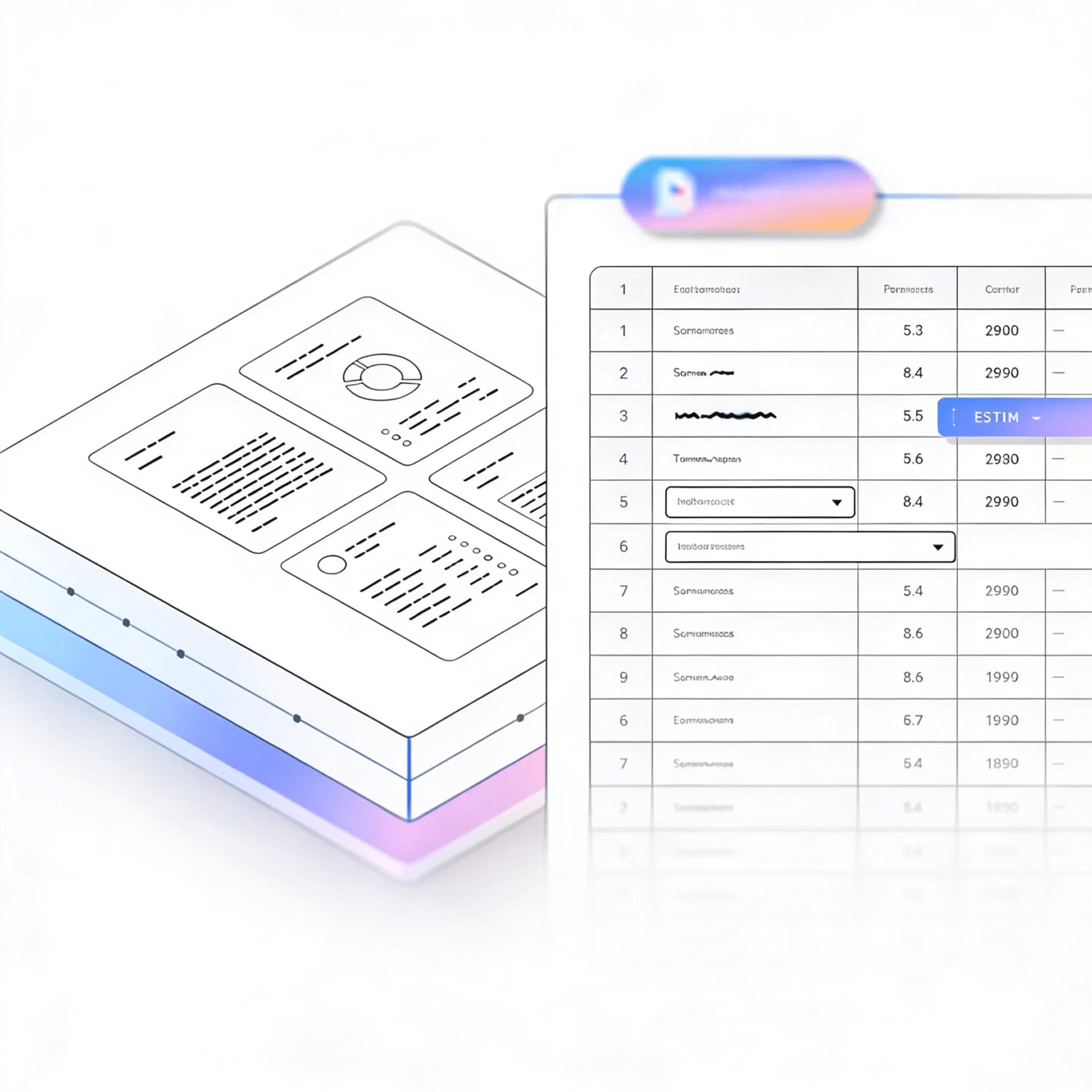
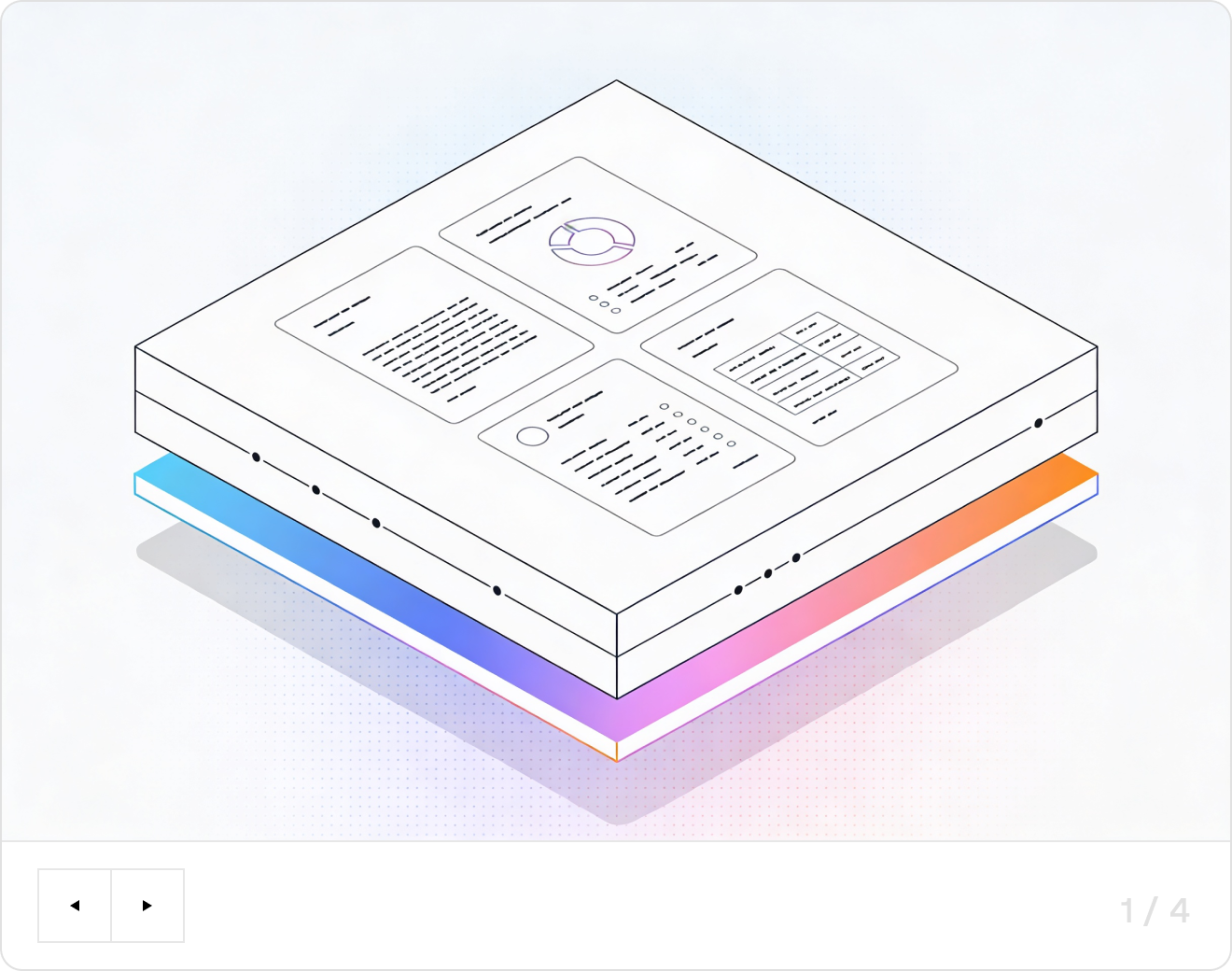
LlamaParse turns borrower PDFs and scanned loan packages into clean JSON or Markdown you can push straight into underwriting, servicing, and audits. Its agentic document parsing understands layouts, tables, and embedded figures, then adds citations and confidence signals for fast, verifiable straight-through processing.
Built for Complexity

Fintech Startups
Use LlamaParse to turn bank statements, paystubs, and IDs into clean JSON with citations, so your underwriting rules can run automatically instead of relying on manual review queues. Natural-language parsing instructions let you adapt intake fields per lender partner in hours (not sprints) without writing brittle parsing code every time a document template changes.

Auto Finance and Dealership Lending
Parse multi-page deal jackets—credit apps, insurance binders, buyer’s orders, and title docs—while preserving reading order and extracting tables accurately for faster funding decisions. Tier-based agentic processing routes simple pages cheaply and escalates only the messy scans, helping you control per-loan processing cost while reducing stipulation rework.

Construction and Equipment Lending
Extract structured data from complex packages like equipment invoices, lien waivers, AIA payment applications, and schedules of values, including dense tables and multi-column layouts that traditional OCR scrambles. Multimodal parsing converts embedded charts and totals into machine-readable outputs, enabling automated covenant checks and draw approvals with fewer exceptions.

Healthcare Revenue Cycle and Patient Financing
Automate patient financing workflows by parsing EOBs, itemized bills, and income verification into consistent, auditable data with confidence scores for compliance-friendly review. Auto-correction loops catch common scan errors and mismatched fields before they hit downstream systems, reducing rework and improving approval speed at the point of care.
The Engine Room
Feature 01
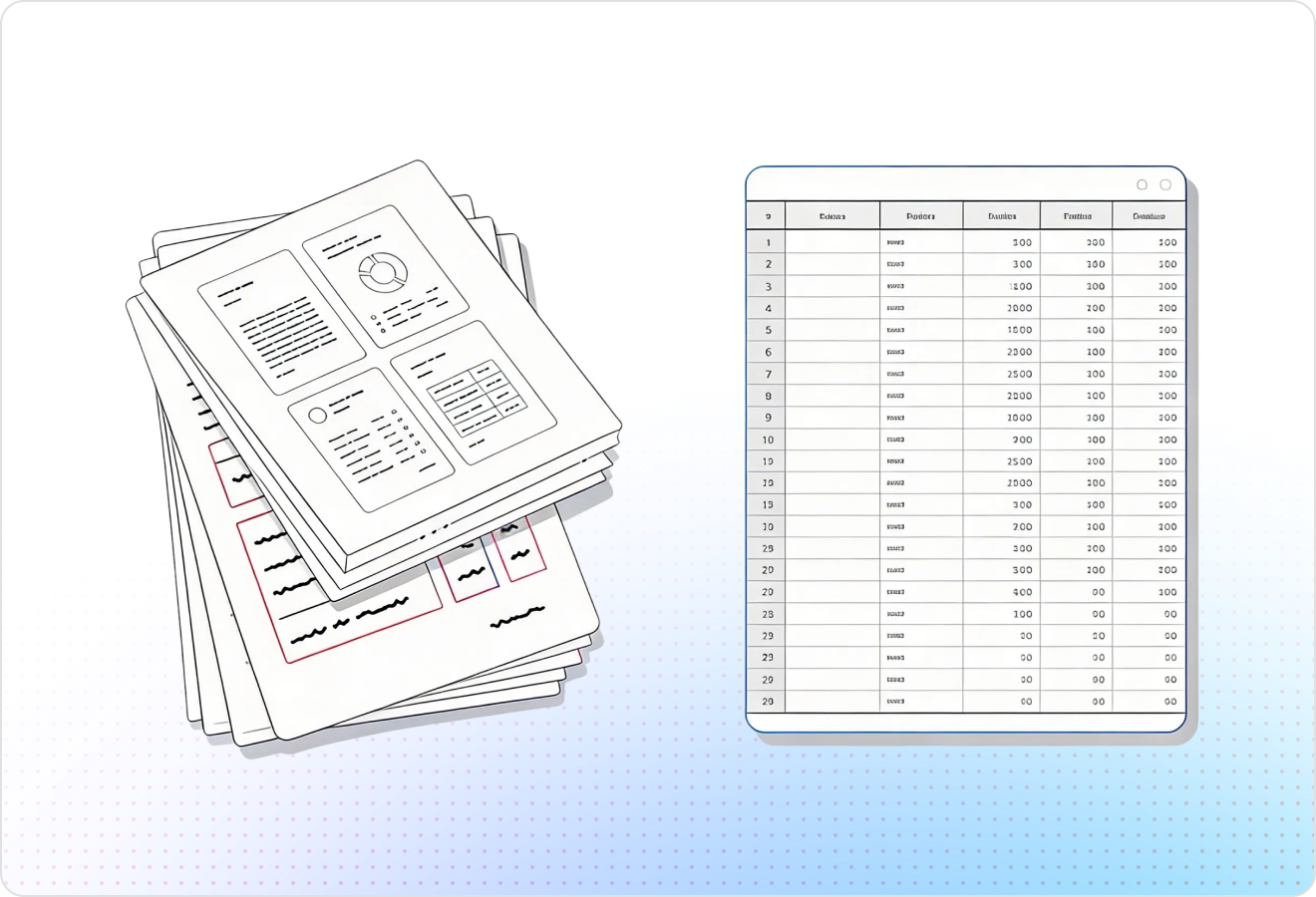
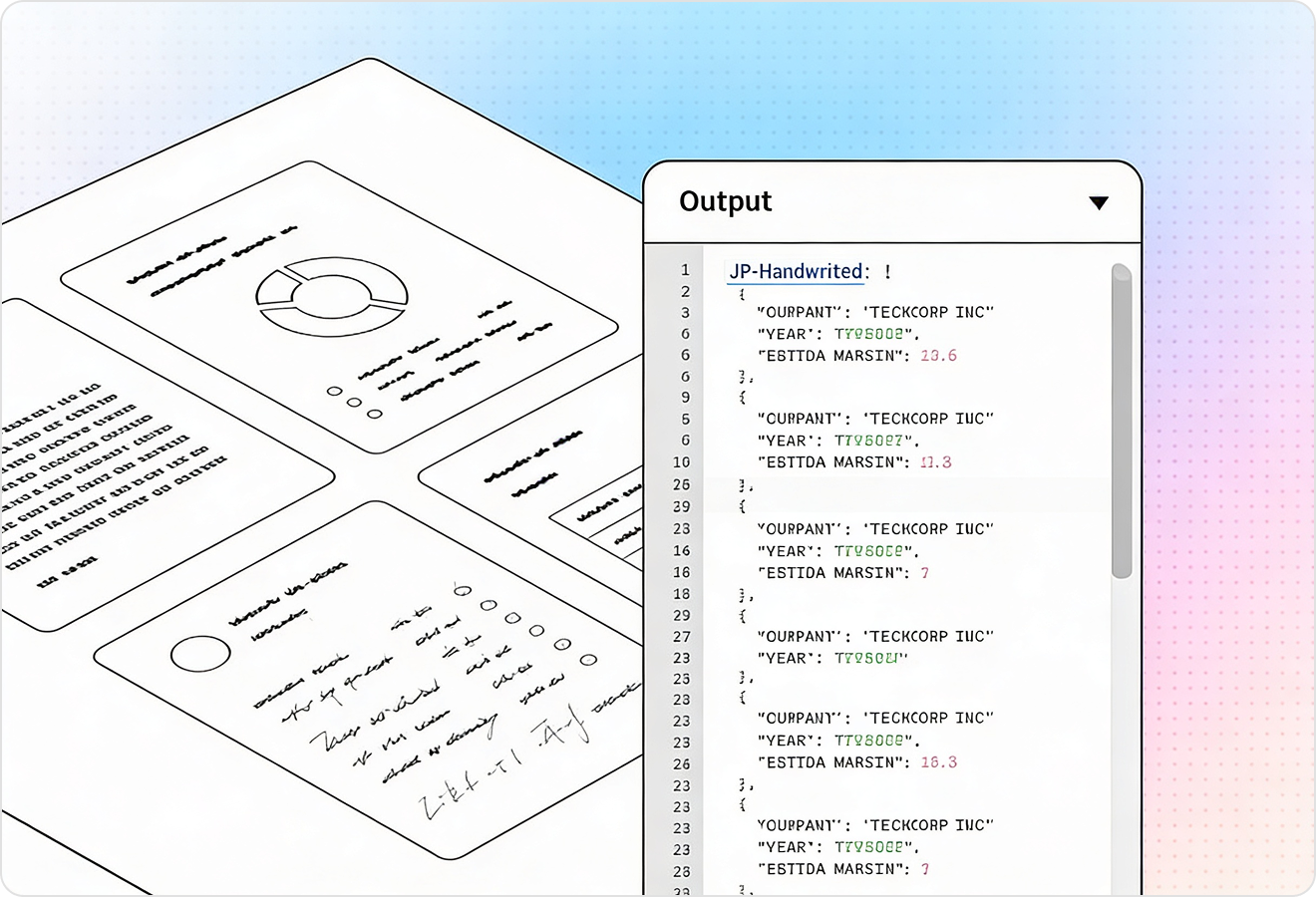
LlamaParse understands real document layout (multi-column pages, headers/footers, nested sections) and preserves reading order instead of returning scrambled text. For lending automation, that means borrower details, disclosures, and signature blocks land in the right place—so downstream validation and decisioning logic doesn’t break when templates change.
Feature 02
LlamaParse extracts complex tables into clean, structured outputs without losing row/column relationships. This is critical for lending workflows that depend on accurate income statements, liabilities, amortization schedules, and conditions checklists to compute ratios and trigger underwriting rules.
Feature 03
With natural-language parsing instructions, you can tell LlamaParse exactly what fields to extract and how to format them (e.g., borrower_name, SSN_last4, DTI, LTV, property_address). In lending automation, this reduces brittle regex and custom post-processing, and makes it easier to standardize data across banks, brokers, and document variants.
Feature 04
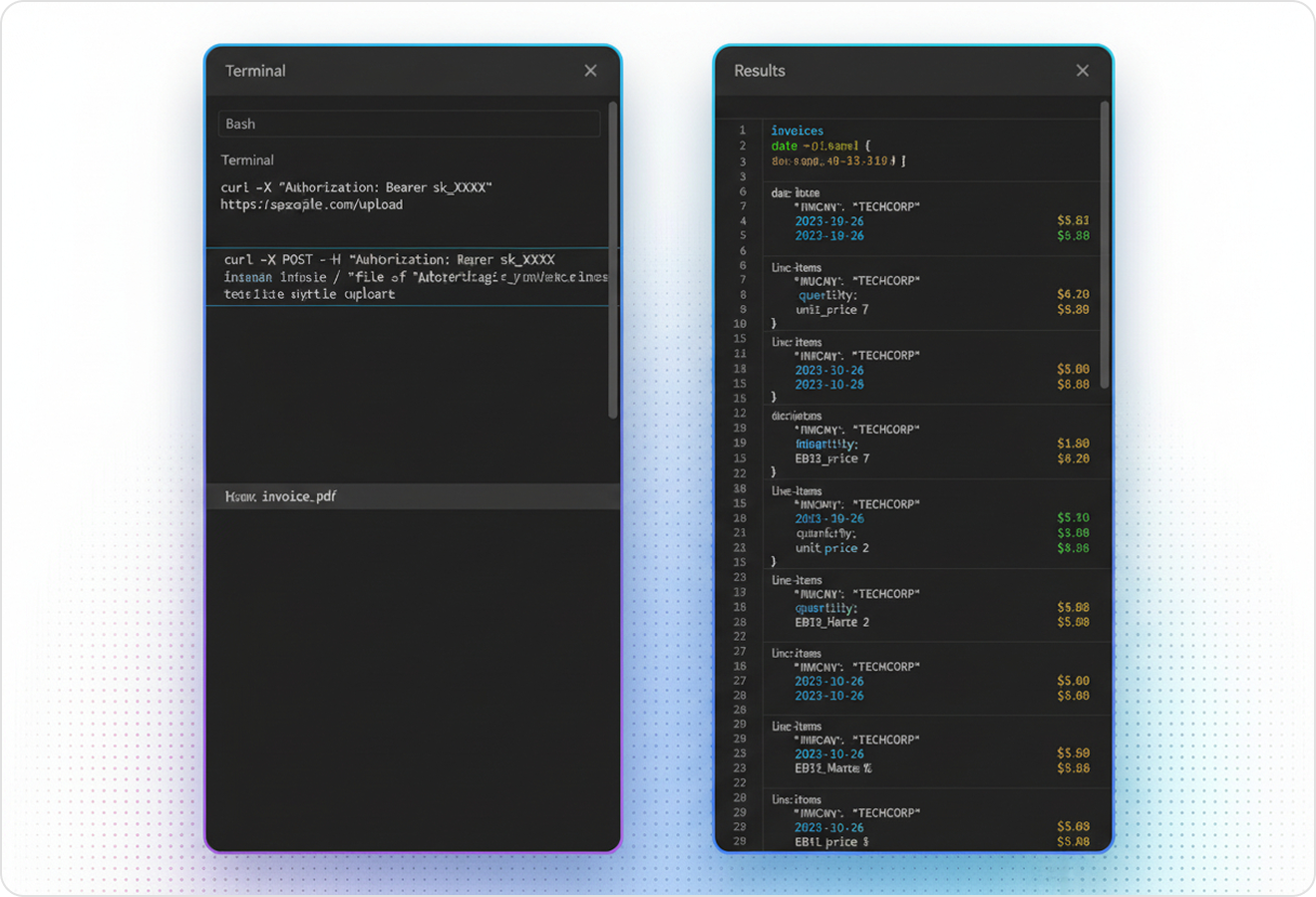
JSON mode returns structured data with granular metadata like page numbers and coordinates for each extracted element, enabling traceability. For lending automation, this supports audit-ready decisions, faster exception handling, and human-in-the-loop reviews that jump straight to the source snippet when confidence is low.
Technical OCR documentation
Explore our developer guides to easily connect your document pipelines to LlamaParse.
Explore the framework

Our AI catches the typos that tired eyes miss.

Export to Excel, JSON, XML, or directly via API.

SOC2 Type II compliant with end-to-end encryption.

Train the tool on your specific forms in minutes, not days.

Average processing time of <3 seconds per page.
LlamaParse’s support of a wide variety of filetypes and its accuracy of parsing made it the best tool we tested in our evaluations. The LlamaIndex team was very responsive and we were off to the races within a day.
Common FAQs
01
Will it handle multi-column loan packages and messy PDF layouts without mixing fields?
Yes—layout-aware parsing preserves true reading order across multi-column pages, headers/footers, and nested sections. That means borrower details, disclosures, and signature blocks stay mapped correctly even when document templates change, reducing downstream validation and rework.
02
How accurate is table extraction for income, liabilities, and amortization schedules?
Reliable table extraction keeps row/column relationships intact, so values don’t shift into the wrong fields. This makes it safer to calculate ratios like DTI and LTV and to trigger underwriting rules from financial statements, conditions checklists, and payment schedules.
03
Can I define the exact fields and formats my underwriting system needs?
Yes—schema-guided capture lets you specify the fields to extract and the required formatting using simple natural-language instructions. You can standardize outputs like borrower_name, SSN_last4, DTI, LTV, and property_address across lenders, brokers, and document variants without brittle regex.
04
Do you provide audit-friendly evidence for extracted values?
Verifiable JSON includes metadata such as page numbers and on-page coordinates for each extracted element. This creates a clear trail for compliance and quality control, and it lets reviewers jump straight to the source snippet when something needs confirmation.
05
How does this reduce manual review and exception handling in underwriting?
Structured outputs and traceable metadata help you route low-confidence fields to human review while auto-approving the rest. Teams spend less time hunting through PDFs and more time resolving the few exceptions that actually require judgment.
06
What happens when lenders, brokers, or borrowers submit different document templates?
Because parsing is guided by layout and your target schema—not fixed template rules—you can keep consistent data extraction across variations. That means fewer template-specific integrations, faster onboarding of new partners, and more resilient automation as document formats evolve.