Nov 14, 2025
Document AI: The Next Evolution of Intelligent Document ProcessingPersona
Industry
Use cases
Real Estate Document
[ Real Estate Document ]

Use LlamaParse to turn messy leases and loan packages into verified JSON your systems can trust.
The USP
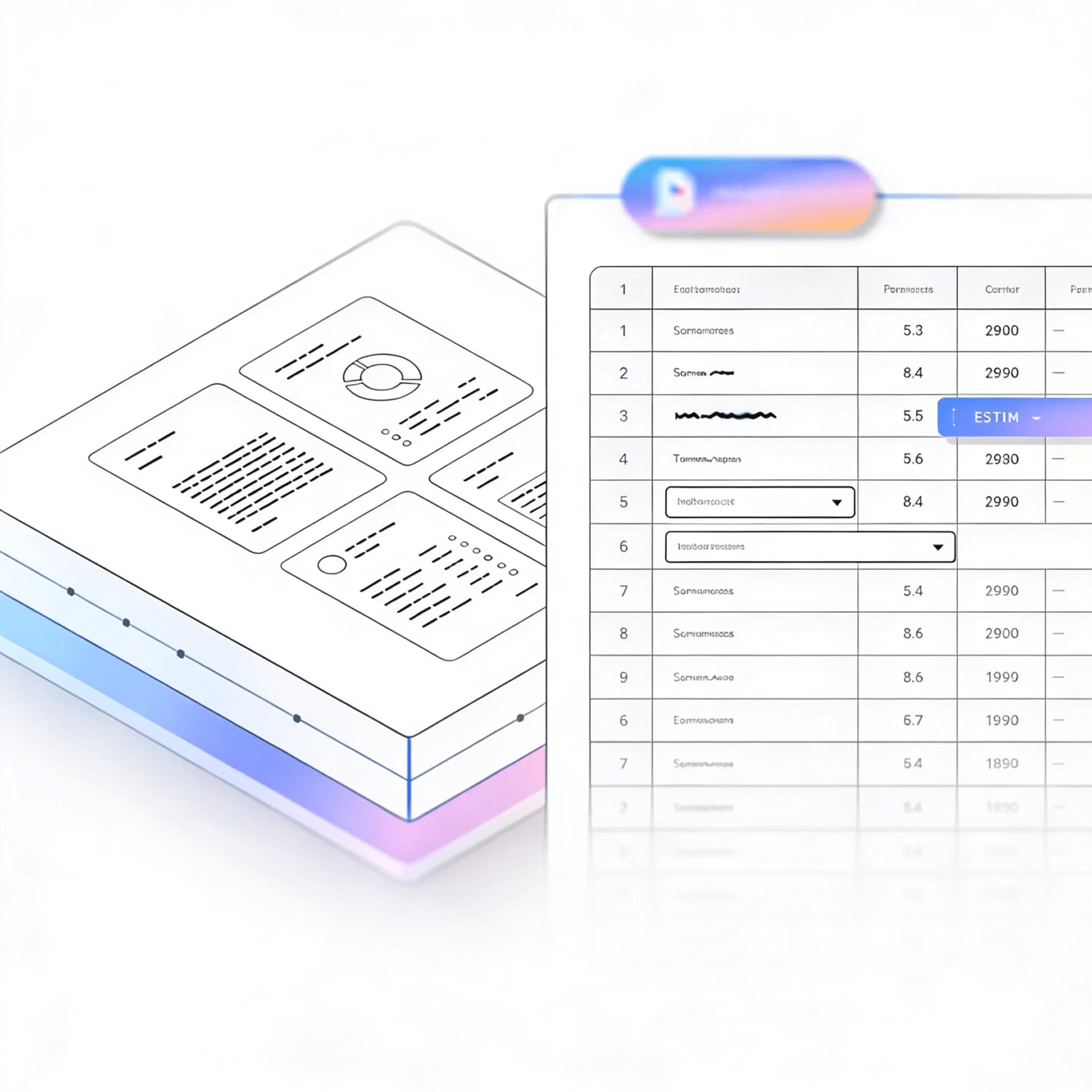
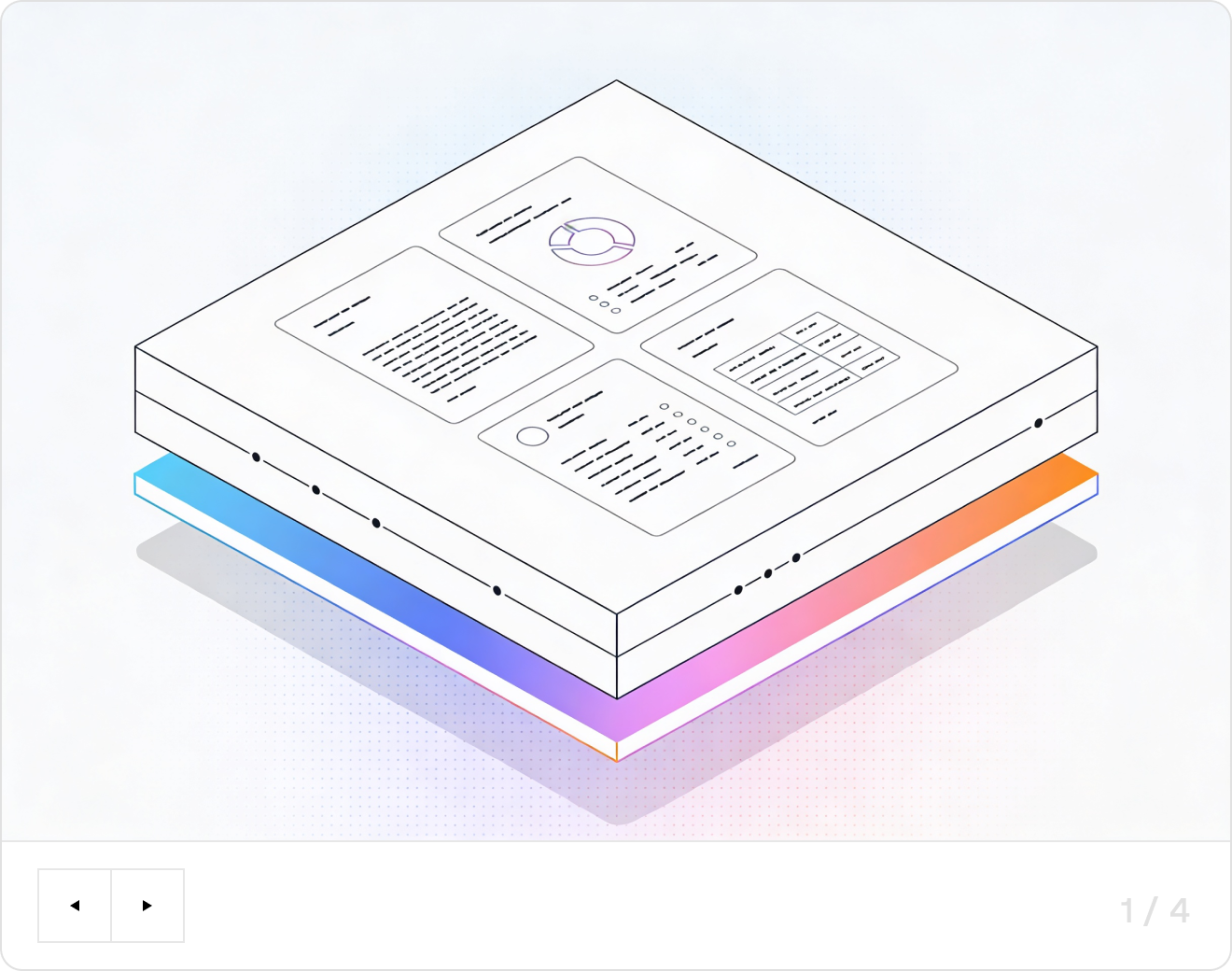
LlamaParse turns leases, appraisals, title reports, and rent rolls into reliable structured outputs your systems can actually use, without brittle templates. It understands layout and tables, runs validation loops with traceable metadata, and reduces manual review so deals move faster.
Built for Complexity

Residential and Commercial Real Estate Brokerages
Turn purchase agreements, disclosures, addenda, and rent rolls into clean JSON/Markdown with layout-aware table extraction, so your team can auto-fill fields and generate deal packets without fixing scrambled PDFs. Use granular metadata and citations to speed up compliance reviews and reduce fallout from missed clauses, initials, or outdated rider versions.

Mortgage Lending and Loan Servicing
Parse borrower packets (W-2s, pay stubs, bank statements, appraisals) into structured data with validation loops, reducing manual indexing and preventing data-entry errors that stall underwriting. Route simple pages to lower-cost tiers while automatically upgrading only complex scans, keeping per-loan processing costs predictable at volume.

Title and Escrow Services
Extract legal descriptions, vesting details, exceptions, and settlement line items from commitments, policies, and HUD/CD forms—even when split across multi-column layouts and dense tables. Output traceable fields with page-level coordinates so examiners can resolve exceptions faster and close more files per day without expanding headcount.

PropTech Startups
Ship document-driven features fast by using natural-language parsing instructions to standardize messy leases, invoices, and inspection reports into the exact schema your product needs. Start with the API and scale from prototype to production using flexible credits, while LlamaParse handles new templates and edge cases without brittle regex pipelines.
The Engine Room
Feature 01
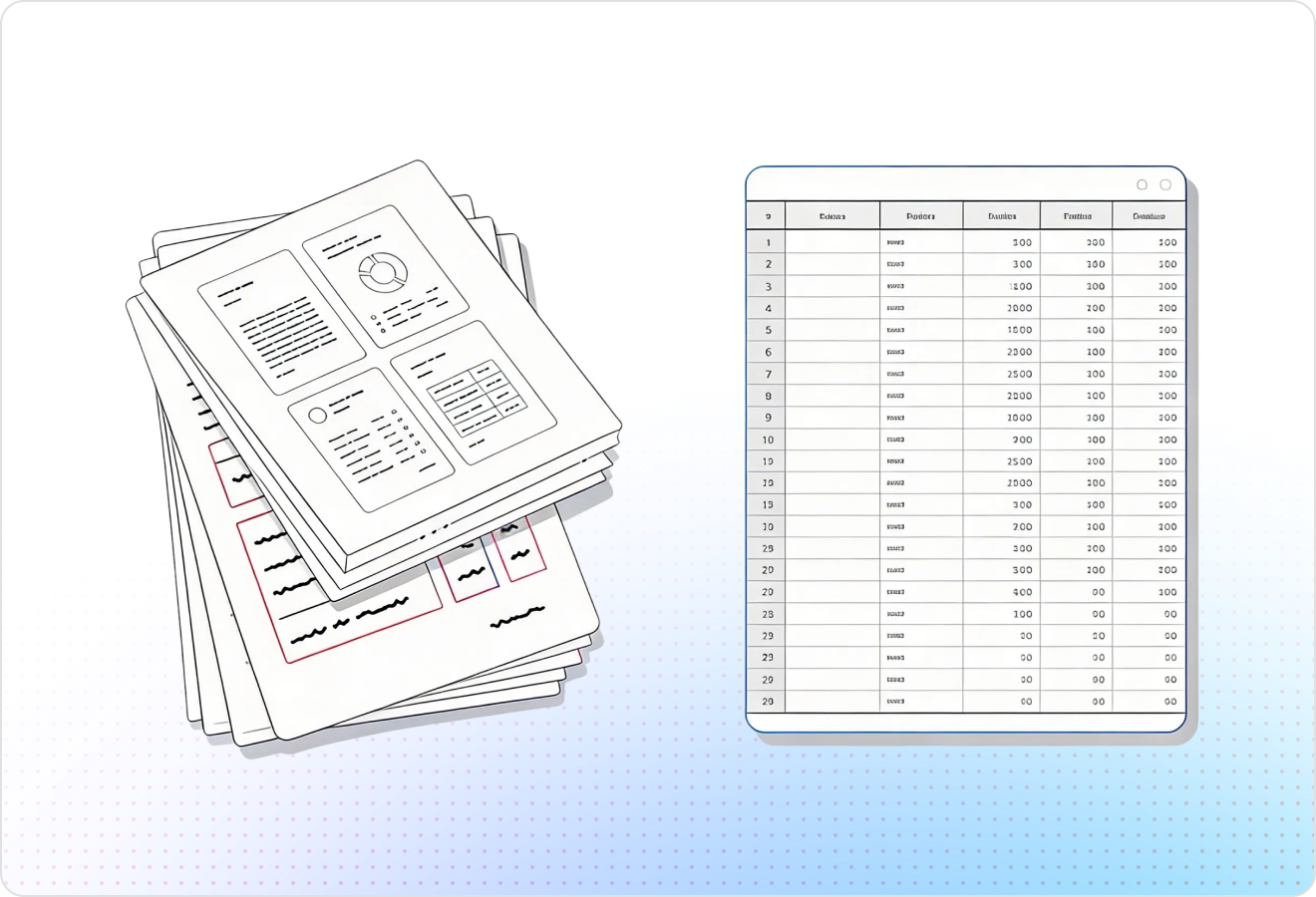
LlamaParse preserves reading order across multi-column forms and reliably extracts tables from leases, rent rolls, and settlement statements without scrambling fields. That means your automation can trust critical numbers like base rent, CAM, escrows, and prorations without brittle post-processing.
Feature 02
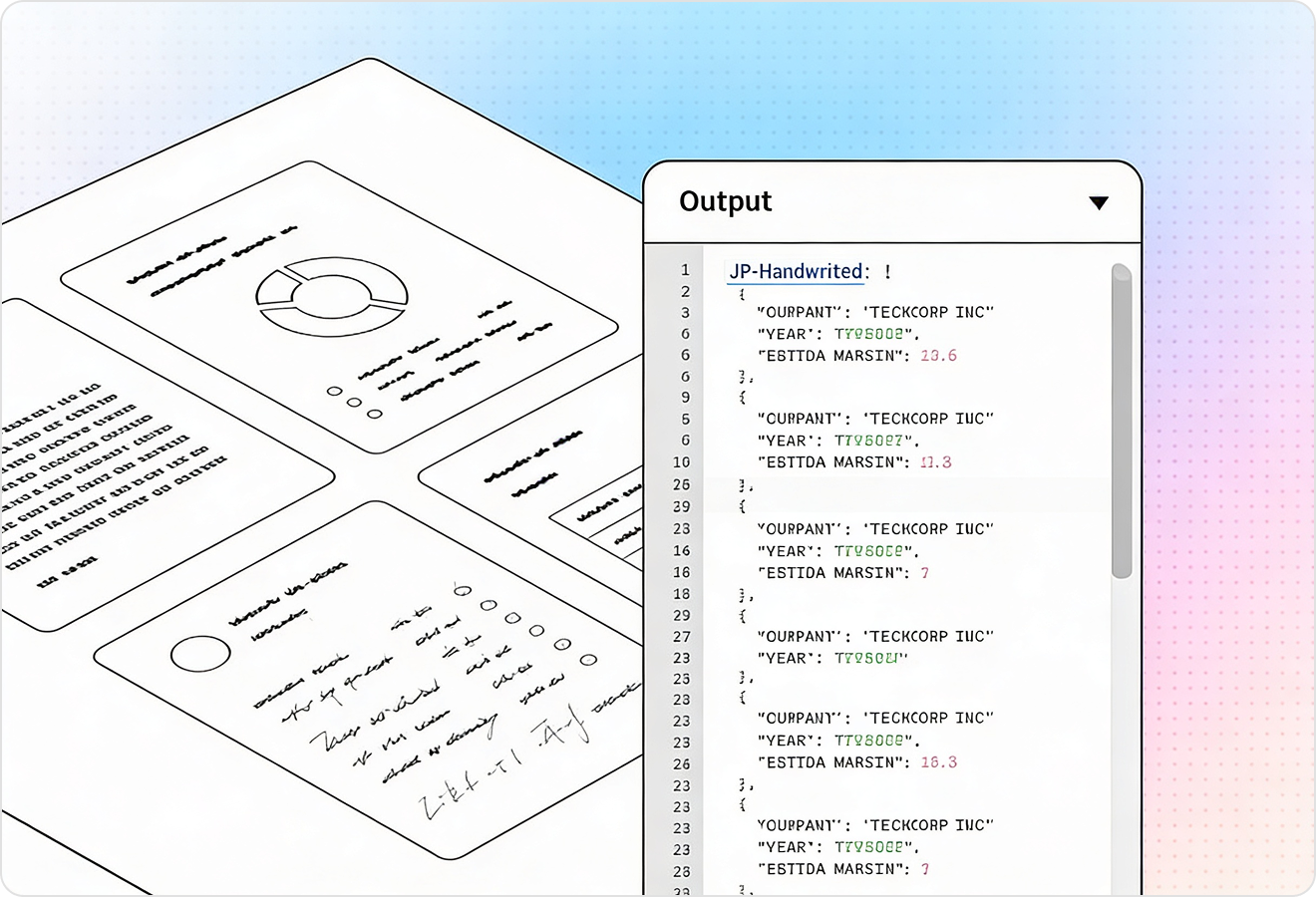
LlamaParse interprets visual elements like scanned exhibits, floor plan annotations, charts, and embedded images as part of the parse—not as ignored blobs. This helps real estate teams automate review of annexures and exhibits where key terms and constraints often live outside plain text.
Feature 03
You can guide LlamaParse with natural-language instructions to pull exactly what your workflow needs, such as “extract renewal options, notice periods, and indemnities” or “summarize tenant obligations.” This reduces custom parsing code and makes it easier to standardize outputs across varied broker packages and document templates.
Feature 04
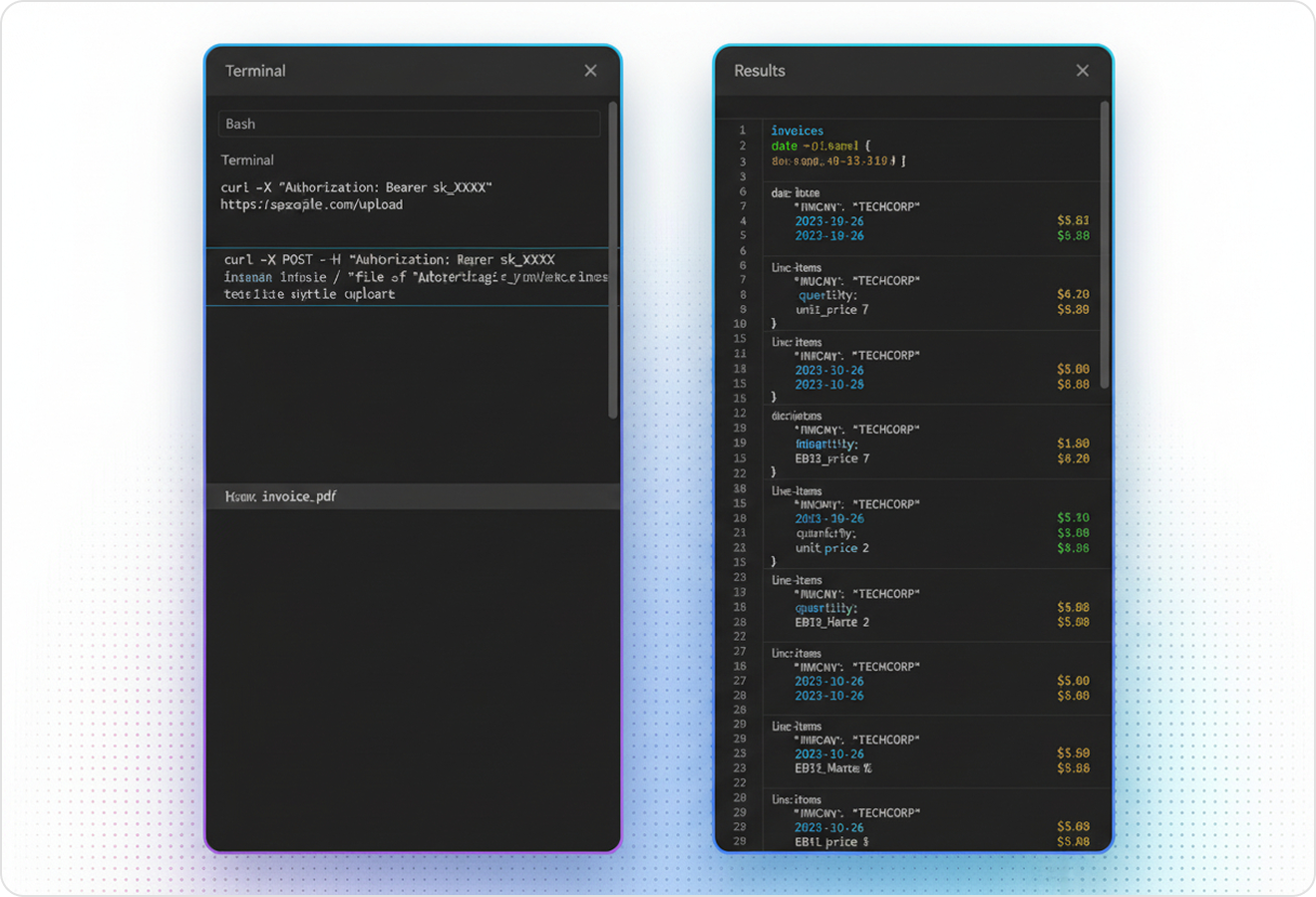
LlamaParse can return clean JSON along with granular metadata like page references and element locations for each extracted clause or field. In real estate document automation, this gives you traceability for audits and faster exception handling when a reviewer needs to verify a specific term in the source.
Technical OCR documentation
Explore our developer guides to easily connect your document pipelines to LlamaParse.

Our AI catches the typos that tired eyes miss.

Export to Excel, JSON, XML, or directly via API.

SOC2 Type II compliant with end-to-end encryption.

Train the tool on your specific forms in minutes, not days.

Average processing time of <3 seconds per page.
LlamaParse’s support of a wide variety of filetypes and its accuracy of parsing made it the best tool we tested in our evaluations. The LlamaIndex team was very responsive and we were off to the races within a day.
Common FAQs
01
Will it reliably extract tables from leases and rent rolls without mixing up columns or totals?
Yes—layout-aware extraction preserves reading order in multi-column forms and pulls tables without scrambling fields. That means values like base rent, CAM, escrows, and prorations come through cleanly, reducing manual cleanup and downstream reconciliation.
02
How does it handle scanned exhibits, floor plans, and other non-text attachments in broker packages?
It interprets visual elements—like scanned exhibits, annotations, charts, and embedded images—as part of the parse instead of ignoring them. This helps you capture critical constraints and terms that often live outside the main body text.
03
Can we tell it exactly what to extract for our workflow (e.g., renewal options, notice periods, indemnities)?
Yes—use natural-language extraction instructions to pull the specific clauses, dates, and obligations your team cares about. This reduces custom parsing code and makes it easier to standardize outputs across different templates and broker formats.
04
Do the results include citations so our team can verify terms quickly during review or audit?
Absolutely—the output can include structured JSON plus page references and element locations for each extracted field or clause. Reviewers can jump straight to the source text, speeding up exception handling and improving auditability.
05
How does it perform across varied document quality—scans, mixed templates, and messy formatting?
It’s designed for real-world document variation, including scans and inconsistent layouts common in leases, settlement statements, and annexures. By preserving layout and capturing both text and visual elements, it reduces the brittle edge cases that typically break automation.
06
What does implementation look like for an existing real estate workflow or system?
You can integrate it as a parsing step that returns clean, structured JSON your systems can consume—plus citations for human review when needed. Most teams start with a small set of high-value fields or clauses, then expand coverage as they standardize instructions and outputs.